.png)

I got pickpocketed in Barcelona on day two. A man bumped into me in a crowd. I felt nothing. Ten minutes later my wallet was gone. Cash, Cards everything. I spent that evening cancelling cards and wondering if I could eat dinner. I was not careless either.
I had the wallet in my front pocket. I thought that was enough. It was not. Since then I have traveled through forty countries and never lost money again. So these tips on how to keep money safe while traveling come from real mistakes. Not theory. Here is what actually works.
Split Your Money. Always.
This is the first rule. And the most important.
Never carry all your money in one place. Never carry all your cards in one place. If a pickpocket gets your wallet, they should get a third of your money. Not all of it.
Here is what I do. Three places. Every time.
- Place one: The money belt. Under my clothes. Passport, Backup card, half the cash. This does not come out in public. Ever.
- Place two: The front pocket. A small amount of cash for the day. Enough for food and a taxi. Twenty or thirty dollars. Not more.
- Place three: The bag. A hidden pocket. The other backup card. A little more cash. The bag stays with me. Always.
If someone takes the front pocket, I still have the belt and the bag. If someone takes the bag, I still have the belt and the cash on me. It is a system. It works.
Read More: Eco-Friendly Transportation Resources for City Travel
How to Travel With Cash Internationally?
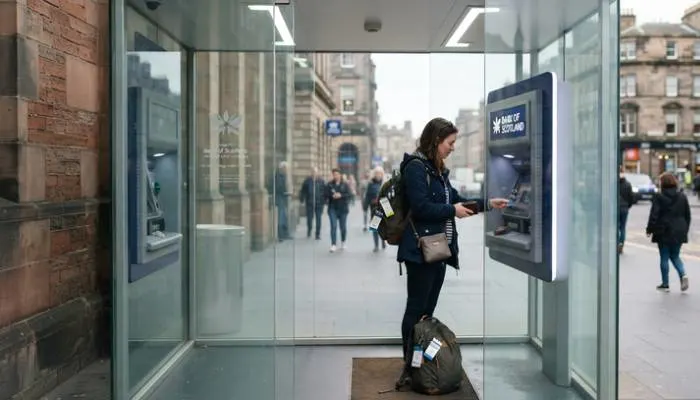
Cash is not dead. You need it. Many places still take cash only. Taxis. Markets. Small towns. So carry it. But carry it smart.
- Get cash from bank ATMs, not exchange desks. ATMs give better rates. Use ones at banks, not on the street. Street ATMs have higher fees and more skimmers. I use bank ATMs only. Inside the bank if possible.
- Always say no to conversion. When the ATM asks to convert to your home currency, say no. That is a scam. It charges you extra. Withdraw in the local currency. Always.
- Carry small notes. Big notes get you bad looks. Or no change. Or a scam where someone says you gave them a smaller note. Break big bills at the airport or a bank. Carry small notes for daily use.
- Keep cash in more than one currency. If you are crossing borders, keep some of the next country's money. Airports give terrible rates. Having some cash when you arrive saves you.
- Count your change. Every time. Slowly. Not rude. Normal. In tourist areas, short changing is common. I check every note. Every time.
How to Travel With Cash on a Plane?
Airport security is the problem here. Not thieves. Rules. Here is what I know.
- Cash in your carry on. Not checked. Never checked. Bags get lost. Money does not come back.
- No rule against cash in most countries. But if you carry a very large amount, you may need to declare it. Check the rules. The US requires declaring over 10,000 dollars. The EU is similar. Do not get caught out.
- Coins go in a clear bag. Security will want them out of your pockets. Have them in a small bag. It speeds things up.
- Do not put money in the tray loose. Use a bag. The tray gets grabbed. Money goes missing. Bags do not.
- Hide nothing from security. Do not tape money to your body. They will find it. You will be pulled aside. Just carry it normally. In a bag. Declared if needed.
Money Belt for Travel: The Real Truth
Everyone talks about money belts. Some people love them. Some hate them. Here is the honest take.
- They work. A money belt under your clothes is the safest place for cash and passport. Nobody can get to it without touching your body. That is a big barrier.
- They are uncomfortable. Yes. Slightly. Especially in heat. It sits against your skin. You sweat. It is not glamorous. But it works.
- Do not use it as a wallet. This is the mistake people make. They pull it out in public to pay for coffee. Now everyone has seen it. The money belt stays hidden. You take money from your front pocket for daily use. The belt is for emergencies and backups. That is it.
- Pick the right kind. Not a neck pouch. Those swing around. Those are visible. Get one that goes around your waist. Under your clothes. Flat thin.It cost twelve dollars.
- Wear it on the front, not the back. Front waist. Under your shirt. The back gets bumped and seen. The front is hidden.
How to Carry Cash Without a Wallet?
Wallets are bulky. Wallets are obvious. Wallets get taken. Try these instead.
- A money clip. Small. Sits in the front pocket. Holds bills tight. Less obvious than a wallet. Cheap. Easy.
- Fold cash in your sock. Old trick. Still works. For backup cash only. Not daily spending. Not comfortable for long walks.
- A cheap phone case with a card slot. One card. Some cash. Behind the phone. You carry it anyway. Nobody sees it. Nobody thinks to look.
- A small pouch on a string. Inside your shirt. Under your clothes. Good for backup. Not for daily use.
- A fake bag. Sounds odd. Works. Carry a cheap tote with a water bottle and a book. Real valuables are under your clothes. The bag is what thieves grab. Let them. They get a paperback and a half empty water bottle.
- The decoy wallet. I have never done this. But I know people who do. In the back pocket. The real money is elsewhere. If someone takes it, they got five dollars and a fake expired card. Not a bad system.
Daily Habits That Keep Money Safe
The small things matter more than the big ones.
- Do not check your money in public. Not in a crowd. Not on a train. Not at a market. Somebody is always watching. Count in the bathroom. In your hotel room. In a quiet corner. Never in the open.
- Keep your bag in front of you. Not on your back. Not on the ground. On your front. Your hand on it. In crowds, hold it close. Pickpockets work in teams. One distracts. One takes.
- Do not put your phone on the table at cafes. This is how phones get taken. A quick grab. A run. Gone. Keep it in your pocket. Or in your bag. Not on the table.
- Walk with purpose. Confused tourists get targeted. Phone in hand. Map out. Looking around. That is a mark. Know where you are going or pretend to.
- Do not flash money. Not at the ATM. Not at the market. Not when you pay. Count in the bathroom. Not at the counter. This is how people get followed.
Use two bank cards. Two different banks. If one gets blocked, you have the other. Tell both banks you are traveling. Do not skip this step. I have seen cards frozen at hotel check in.
You May Also Read: Essential Travel Resources for First Time Travelers
What If It Happens Anyway?
It can happen. Even when you do everything right. Here is what to do.
- Cancel your cards immediately. Call the bank. Every card. Do it before you do anything else. The faster you cancel, the less they can spend.
- Report it to the police. You need a report. For insurance. For the bank. Do it same day. Even if nothing comes of it. The paper matters.
- Go to your embassy. If your passport was taken. They will help. It takes a few days. Your emailed copy speeds it up. I told you to email yourself a copy. Did you do it? Do it now.
- Use your backup money. This is why you split it. The belt money is still there. The bag money is still there. You are annoyed. Not stranded. That is the difference.
Learn from it. Everyone gets hit once. Some more. The second time is the one you can avoid. Be more careful after. Not less. The mistake is letting it make you paranoid. Keep traveling. Just smarter.
What I Know Now?
Money safety is not about fear. It is about habits. Small things. Done every day. Done without thinking.
Split your money. Carry the belt. Keep small notes for the day. Count in private. Watch your bag. Do not flash cash. Use two banks. These are simple habits. They take no effort. They work.
I have not lost money since Barcelona. I do not plan to. The habits are automatic now. They can be for you too. Start before your next trip. Not during it.
FAQs
1. Is a money belt really necessary?
Yes, It is the safest place for cash and passport. Under your clothes. Nobody can reach it. It is not glamorous. It works. Use it for backups. Not daily spending.
2. How much cash should I carry while traveling?
Enough for one or two days. Not more. Use ATMs for the rest. Carry small notes. Split the money across three places. Never all in one.
3. Should I carry cash or cards?
Both. Cards for big things. Cash for small things. Many places still take cash only. Taxis. Markets. Small towns. You need both.
4. Is it safe to keep money in a hotel room?
Not all of it. Use the hotel safe if there is one. Keep backup money and passport there. Carry daily money on you. Never leave everything in the room.
5. What if my card gets blocked abroad?
Call the bank. Use the second card. This is why you carry two cards from different banks. Tell both banks your travel dates before you go. Do not skip this.