.png)

Offbeat adventure destinations are not for everyone. They are for people who hate crowds. These are for those who don't like being around other people. These are for those who would like to see something real. These locations are not overflowing with kitsch vendors, or what you can buy to take home. They don't have photo queues at Instagram as you wait in line for a photo.
Here are 10 places where you stand a chance of being kidnapped, isolated and experiencing something you can't find anywhere else. You won't see them in world top 10 lists of adventures. That is the point. Go solo or explore quirky adventures with that special someone, these locations will not disappoint. They provide you with tales to tell. They provide you with memories forever. They provide you with the experience that you signed up for.
Top 10 Adventure Places In World
Here is the list of top 10 adventure places in world that actually deliver on their promises. These spots offer real experiences, not manufactured ones.
- Socotra Island, Yemen
- Svalbard, Norway
- Lofoten Islands, Norway
- Kyrgyzstan
- Faroe Islands, Denmark
- Namibia's Skeleton Coast
- Timor-Leste (East Timor)
- Salar de Uyuni, Bolivia
- Wadi Rum, Jordan
- Rakiura (Stewart Island), New Zealand
Socotra Island, Yemen
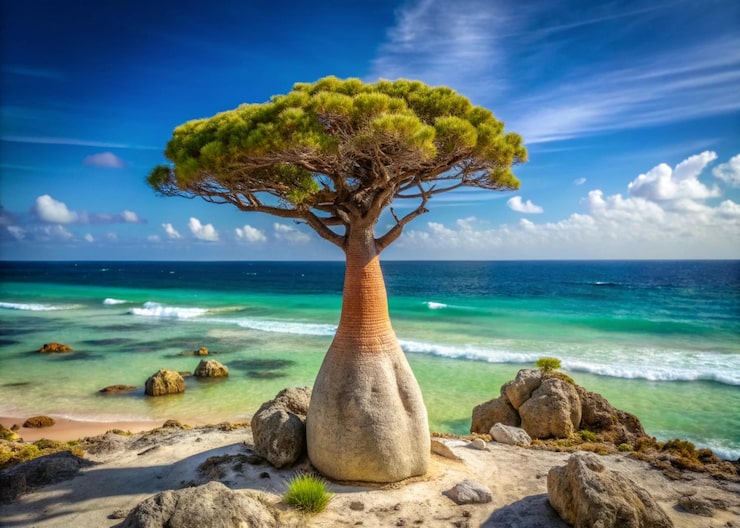
- What Works: This island looks like another planet. The Dragon's Blood Trees have red sap and umbrellas shaped like mushrooms. They grow nowhere else on Earth. The beaches are white and empty. You can hike through the Hagghier Mountains and camp under stars with zero light pollution .
- What Fails: Getting here is hard. Flights are limited and expensive. The island has basic infrastructure. Do not expect luxury hotels or reliable Wi-Fi.
- The Best Month: February. Temperatures stay around 25°C. The monsoon winds have stopped. Skies are clear for hiking.
- The Hidden Cost: The permit system. You need a local guide for everything. This adds $50-$100 per day to your budget.
Read More: Affordable Exotic Destinations Around the World
Svalbard, Norway
- What Works: This is the Arctic. Glaciers stretch as far as you can see. Polar bears outnumber people. The Northern Lights dance across the sky from October to February . You can snowmobile across frozen fjords or kayak between icebergs in summer.
- What Fails: The cold is brutal. Winter temperatures drop to -30°C. You cannot leave the town without a rifle because of polar bears. This is not a casual trip.
- The Best Month: July. The midnight sun gives you 24 hours of daylight. Temperatures reach 5°C. Hiking trails open up.
- The Hidden Cost: The flights. You must fly from Oslo to Longyearbyen. Round trip costs $400-$600.
Lofoten Islands, Norway
- What Works: These islands have dramatic peaks that rise straight from the sea. The fishing villages have red cabins on stilts. You can hike to Reinebringen for a view of the entire archipelago . Kayak through the fjords. See the midnight sun or the Northern Lights depending on the season.
- What Fails: The weather changes every 15 minutes. Rain, sun, wind, then rain again. Pack for all four seasons in one day.
- The Best Month: June. The midnight sun lasts all month. Hiking trails are snow-free. Temperatures sit around 10°C.
- The Hidden Cost: The ferry from the mainland. It costs $50 per car and runs limited times.
Kyrgyzstan
- What Works: This country has the most beautiful mountain lakes in Central Asia. Issyk-Kul is the second largest alpine lake in the world. You can stay in yurts with nomadic families . The horse trekking is world class. The World Nomad Games happen every two years with eagle hunting and horseback wrestling .
- What Fails: The food is basic. You will eat a lot of mutton and noodles. The roads are rough and unpaved in many areas.
- The Best Month: August. The mountain passes are open. The weather is warm during the day and cool at night. This is also when the World Nomad Games happen .
- The Hidden Cost: Visa fees. Some nationalities need to pay for a visa on arrival. Check before you go.
Faroe Islands, Denmark
- What Works: These islands have cliffs that drop straight into the Atlantic. The villages have turf roofs and less than 100 people. You can hike to the sea arch at Tjørnuvík. The birdlife is incredible with puffins everywhere . The air smells like salt and grass.
- What Fails: The weather is wet. It rains 280 days a year. The ferries and tunnels between islands cost money and run on limited schedules.
- The Best Month: July. The rainfall drops slightly. The days are long. The grass is its greenest.
- The Hidden Cost: The tunnel tolls. Many islands connect by undersea tunnels that cost $20-$30 per crossing.
Namibia's Skeleton Coast
- What Works: This is the oldest desert in the world. The dunes are 100 meters high and meet the Atlantic Ocean . The shipwrecks rust on the beach. The desert elephants and lions have adapted to survive here . Only 800 people visit the northern part each year . You get the entire coast to yourself.
- What Fails: It is remote. You need a four-wheel drive and a certified operator. There are no gas stations or shops once you leave the main town.
- The Best Month: September. The temperatures are mild. The fog clears. Wildlife comes to the water sources.
- The Hidden Cost: The guide cost. Certified operators charge $200-$400 per day. You cannot go alone.
You May Also Read: Best Romantic Destinations in the USA for Couples
Timor-Leste (East Timor)
- What Works: This is one of the least visited countries in Asia . Atauro Island has diving that rivals the Great Barrier Reef. The black sand beaches at Liquiçá are empty. The Portuguese fort at Maubara dates back to the 1600s . The people are friendly and the food is a mix of Portuguese and Indonesian.
- What Fails: The infrastructure is bad. Dili airport is small. The roads are potholed. The hotels are basic unless you pay for the new luxury ones.
- The Best Month: October. The dry season ends. The weather is warm but not too hot. The sea is calm for diving .
- The Hidden Cost: The flights. You usually need to fly via Bali or Darwin. Tickets cost $600-$1000.
Salar de Uyuni, Bolivia
- What Works: This is the largest salt flat in the world. It covers 12,000 square kilometers . The rainy season turns it into the world's largest mirror . The sunsets here change the sky from orange to purple to pink. You can stay in salt hotels where the walls are made of salt blocks .
- What Fails: The dry season cracks the salt into polygons. The reflection disappears. The altitude is 3,600 meters. You will feel the thin air.
- The Best Month: February. The rain creates the mirror effect. The sky reflects perfectly on the ground .
- The Hidden Cost: The jeep tours. You need a four-wheel drive to cross the flat. Group tours cost $100-$200 per day.
Wadi Rum, Jordan
- What Works: This desert valley has red sand and rock formations. You can camp under the stars with zero light pollution. The rock climbing and hiking are world class . This is where they filmed The Martian. You feel like you are on another planet.
- What Fails: The summer heat is brutal. Temperatures hit 40°C. The flies are relentless.
- The Best Month: March. The weather is warm during the day and cool at night. The wildflowers bloom in the desert.
- The Hidden Cost: The Bedouin guide. You cannot enter the protected areas without one. They charge $50-$100 for half-day tours.
Rakiura (Stewart Island), New Zealand
- What Works: This is New Zealand's third island. Only 500 people live here . The Rakiura National Park covers most of the island. Kiwi birds walk around in the daytime here. You can do the 3-day Rakiura Track through dense temperate rainforest. The waterfall is the Aurora Australis from May to August .
- What Fails: The ferry is rough. The Foveaux Strait crossing takes one hour and gets choppy. The accommodation in Oban fills up fast.
- The Best Month: March. The summer crowds have left. The weather is still mild. The track is less muddy.
- The Hidden Cost: The ferry cost. The return ticket costs $150 NZD per person. Book a week in advance.
Quick Comparison Table
| Destination | Best Month | Cost Per Day (USD) | Who It is For |
|---|---|---|---|
| Socotra | February | $150-$250 | Solo adventurers, photographers |
| Svalbard | July | $300-$500 | Couples, polar enthusiasts |
| Lofoten | June | $150-$250 | Couples, hikers |
| Kyrgyzstan | August | $50-$100 | Budget travelers, horse riders |
| Faroe Islands | July | $150-$250 | Solo, photographers |
| Namibia | September | $200-$400 | Couples, safari lovers |
| Timor-Leste | October | $100-$150 | Divers, budget travelers |
| Salar de Uyuni | February | $100-$200 | Couples, photographers |
| Wadi Rum | March | $80-$150 | Solo, rock climbers |
| Stewart Island | March | $100-$150 | Couples, hikers |
The Risk
Most of these places lack medical facilities. If you break a leg, you could wait days for evacuation. Get travel insurance that covers remote rescue. Do not skip this.
FAQs
1. Can I visit these places without a guide?
No. Socotra and Svalbard require guides by law. Wadi Rum and Namibia need guides for safety. Kyrgyzstan and Stewart Island do not. Check the rules before you book. Do not assume you can go alone.
2. Which place has the best food?
Timor-Leste. The Portuguese influence gives you good bread and seafood. The Indonesian side gives you spicy noodles. The restaurants in Dili are decent. The other places have basic food. You eat for fuel, not for taste.
3. How much time do I need for each trip?
Two weeks minimum. Flights are long. Connections are bad. Weather can delay you. Rushing ruins the experience. Give yourself buffer days. Stewart Island needs 3 days. Svalbard needs 5 days. The others need 10 to 14 days.
4. What month should I avoid completely?
January for Svalbard. No sun. Total darkness. Extreme cold. July for Wadi Rum. Too hot. Walking outside feels dangerous. November for Faroe Islands. Storms close the roads. Pick the right month or skip the trip.
5. Is it worth the high cost?
Yes. You pay for emptiness. You pay for silence. You pay for something the crowds never see. The photos are better. The stories are better. The memories last longer than any resort holiday. Save your money and go.